
Liquorice
- Information
- Ingredients / Dosage
- Further Reading
- Comments
- Health Uses
![]() |
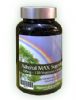
Due to the ongoing saga of stickiness of the Liquorice extract causing jams in the encapsulation machine, we have had to further reduce the amount of concentrate and add some Liquorice root powder in each capsule. This has resulted in each capsules equivalent Liquorice herb content being further reduced. We have therefore included 140 capsules whereas in the past the product was 90, then 100 capsules. This means there is actually a little bit more Liquorice herb per pot now than previously.
NO PRICE CHANGE |
Natural and pure, free from any artificial additives, preservatives, flavorings, sweeteners, GM ingredients
.png)
By John Claydon D. Hom.
Note: All links to further information are given in the body of the text and also at the end of the article.
Liquorice herb (Glycyrrhiza Glabra), the well known component of Liquorice sweets, is a surprisingly important medicinal herb. It has been used extensively in Chinese herbal medicine for thousands of years, in approximately half of their formulas. The reason given is that it tends to improve the action of all the other herbs and harmonise the action of the herbal formula. More recently, medical herbalist Gerald Green has elucidated its tremendous value in the reversal of auto-immune diseases. The patients he has treated have suffered from asthma, inflammatory bowel diseases, and multiple-sclerosis. However the action of liquorice is presumed to be potentially effective (depends on the person, diet etc not the particular disease, as they are all related), on all auto-immune diseases.
This action is far wider than just helping to treat specific diseases. For example it includes many cases of inflammation and common conditions such as allergies. The auto-immune aspect of a health problem is extremely common, even though we may not be aware of this. This aspect is discussed more fully in the article Autoimmune disorders.
Autoimmune disorders are extremely common, due to many factors, such as stress, nutritional deficiencies, inoculations, electromagnetic pollution, lack of sunlight on skin and so on - the immune system becomes unbalanced so that on one hand, the immune response to virus and internal toxemia may be inadequate, and on the other, there is often an over-reaction. This results in inflammation, and attack on 'self'. This may range from something as simple as fatigue, allergies, or all the way through to a serious auto-immune disorder such as asthma, inflammatory bowel disorders, and many chronic diseases. Improving this balance with the use of Liquorice or Natur-Leaf can make the totality of your nutritional supplements and diet work better for you, as realized by the Chinese herbalists many years ago.
If we look at use of liquorice from a western perspective, we see that its use has changed little over 3,000 years. It is considered a demulcent (soothing to irritated membranes), expectorant (loosening and helping to expel congestion in the upper respiratory tract), and stimulates mucous secretions of the trachea. Other well documented activities include significant anti-inflammatory effects, a protecting effect on the liver against toxic substances and anti-allergy activity. Studies have shown that glycyrrhizin stimulates the excretion of hormones by the adrenal cortex.
We have found liquorice to be effective in its ability to help the body produce the correct type and amount of natural steroids, (See also Natur-Leaf) whereas drug based steroids, in my experience are less effective and will in time seriously disrupt the body's homeostasis and render it susceptible to Candida Albicans infection and other health problems. The exception being bio-identical hydrocortisone that is only available on a doctor’s prescription. This form of natural cortisone at the correct dose for the individual will not have the harmful effect of the corrupted molecule of the patented version that is prescribed in excessively high doses. Glycyrrhizin has a similar chemical structure to corticosteroids released by the adrenals, and further studies have suggested that it could be used as an aid in helping to reduce withdrawal symptoms from dependency on some corticosteroid hormones. Glycyrrhizin has also shown estrogenic activity in laboratory animals, and is experimentally anti-inflammatory, anti-rheumatic, and antibacterial. In China, liquorice root is used as an antacid.
How Does Liquorice Achieve its Action ?
Liquorice contains Glycosides called glycyrrhizin and glycyrrhizinic acid, these have a structure similar to the natural steroids in the body and tend to rapidly restore natural steroid production from the adrenal glands. In addition, the direct action of these glycosides, along with other ingredients in the liquorice seem to have an almost magical effect in reducing inflammation and the entire auto-immune mal-response. Please note that if you suffer from systemic Candida Albicans infection, usually due to antibiotics, artificial steroids and other medicines combined with a long period of low immune system and poor diet, then you are unlikely to obtain full benefit from any herb or nutritional remedy, including liquorice. Remedies to eliminate Candida must be used along side or prior to any other remedies, please see the article on Candida Albicans. (please note : if you have adrenal insufficiency the use of Iodine to eliminate chronic infections such as candida is contra-indicated as Iodine may also activate sluggish thyroid glands, and the increased metabolism can over-burden weak adrenals; the advice is to always support/strengthen adrenals first before improving low thyroid function)
Liquorice also contains plant sterols including sitosterol and stigmasterol, more than thirty flavonoids and isoflavonoids have been identified, including liquiritin and its derivatives. We also know that plant sterols have been shown in clinical trials and in general use (See also Natur-Leaf), to improve the majority of patients with auto-immune disorders. Note: if you have asthma, or bronchitis the formulation of Liquorice root, slippery elm and Lobelia Asthma and Bronchitis Formula has a tremendously high success rate (according to Gerald Green) of almost 100% in babies and children and 80% in adults; irrespective of how serious the condition.
It is interesting to note that during periods of detoxification, e.g. old catarrh/mucus 'coming to the surface' and being eliminated, the immune system can be encouraged to become over-active or 'auto-immune', and it is at these times that I find a special need for liquorice. Persons with chronic auto-immune disorders will usually need to continue with liquorice or Natur-Leaf as part of their treatment protocol for a considerable length of time, bearing in mind the cautions/side effects discussed next.
The cautions and side effects of regular Liquorice consumption
- Women appear to be somewhat more susceptible than men, and oral contraceptives may increase this sensitivity.
- Pregnant women should not use liquorice at medicinal doses. There is a danger of high blood pressure .
- People with high blood pressure should avoid the use of liquorice, which could aggravate their condition. Anyone with a heart problem should use liquorice only under medical supervision. Potassium depletion caused by liquorice is especially hazardous for such patients. Anyone with pre-existing hypokalemia (low potassium) should not take liquorice.
- People with kidney disease, especially the elderly, may be at increased risk of side effects
- Gallbladder disease and cirrhosis are considered contraindications for liquorice
Generally these cautions are related to doses of over 1g a day, (although there are always a very small minority of individuals who react to any herbal product untypically, so in extremely rare cases even doses 1g a day may cause some of the listed side effects). Gerald Green, in his extensive experience of prescribing liquorice for his auto-immune patients has found that 1g a day is normally sufficient to accomplish its beneficial effects, the exception being in the Asthma and Bronchitis Formula, where 3g a day are consumed if the tea is taken at the maximum of 4 doses a day.
Our liquorice concentrate capsules are equivalent to about 1g each capsule of liquorice root. So some caution is required as detailed in the next paragraph.
An alternative to Liquorice, that also has excellent immune regulating properties, with a clinical history of helping auto-immune patients, and a broader action on overall health long term than liquorice is Natur-Leaf. Natur-Leaf, unlike Liquorice, does not have the reputation for raising blood pressure that may be higher than desirable. If taking liquorice for more than a few weeks, or if you already have high blood pressure, it is advisable to home monitor your B.P. on a regular basis at the same time and state of rest or activity each day so you can monitor the situation. If your B.P. becomes significantly above normal for you, then reduce the dose of Liquorice or change to Natur-Leaf. Sometimes we want to raise blood pressure, i.e. if we suffer from adrenal fatigue or insufficiency we may have a B.P. reading that is consistently low. For a westerner a low B.P. can be indicated by readings below 90 for the first, i.e. systolic reading and below 60 for the second i.e. diastolic reading. Since Liquorice can help the adrenals function and sometimes raise low blood pressure , this can in fact be useful in the above cases, provided it does not go too far. See also the article on adrenal insufficiency.
Recognized side effects of prolonged use of liquorice can include hypertension, water retention, sodium retention and loss of potassium. Therefore, the German health authorities warn that liquorice should not be used for more than four to six weeks in therapeutic doses, without medical advice. During this period of time, a diet rich in potassium is recommended. (A normal healthy diet with sufficient fruits and vegetables, without discarding the vegetable water is a high potassium diet) The potassium loss can also produce interactions with other drugs. The water loss-producing effects of conventional thiazide diuretics can be increased. In addition, if the individual is on digitalis glycoside heart medications (derived from foxglove), the potassium loss can actually increase the effect of the digitalis glycoside drugs by up to 50%. Since the toxic and effective doses of digitalis glycosides are in close balance, physicians should be aware of this potential drug interaction.
About 20 percent of patients treated with liquorice in the 1950s (presumably at relatively high doses) experienced side effects such as water retention, upper abdominal pain, headache, shortness of breath, and stiffness. At first scientists thought this was an allergic reaction. Treatment with antihistamines brought no relief. The symptoms usually disappeared when the dose was reduced, though sometimes it was necessary to stop liquorice use all together. Similar symptoms have been reported from ingestion of large amounts of liquorice-containing candy, as well as by users of tobacco products flavoured with liquorice. Other authorities have said that liquorice should be avoided if one has: hypokalemia edema, cirrhosis of the liver and cholestatic liver disorder.
To re-iterate, side effects are fairly rare if the dose is kept around 1g daily, and liquorice has been used extensively throughout history in foods, and herbal remedies, and being extremely beneficial for the vast majority of persons taking it, one need to keep a balanced view concerning the safety issues
List of Auto-immune disorders that Liquorice or Natur-Leaf may help to resolve as part of an over-all nutritional therapy.
Auto-immune diseases include, but are not confined to; Osteo-arthritis, rheumatoid arthritis, also the rarer forms of arthritis e.g. Reiter's, Behcet's and Sjogrens syndromes, ankylosing spondylitis, psoratic arthritis, (For all the arthritis diseases Boron has been found to be very effective therapy; see details Artho-Care) various types of back pain that may be related to an arthritic process, migraine and cluster headaches, carpel tunnel syndrome, Fibromyalgia, M.E. (Chronic Fatigue syndrome) lupus, painful jaw syndrome, neuralgia, back and foot pain of undetermined origin, silicone breast disease, Crohn's disease, myasthenia gravis, multiple sclerosis, asthma, psoriasis, Scleroderma, macular degeneration, hypertension, sciatica, diabetes, prostrate inflammation, emphysema, cystitis especially interstitial cystitis Reynard's disease. Many other chronic health disorders are increasingly being recognized as having an auto-immune component, including diseases traditionally recognized as 'degenerative' such as Alzheimer's and circulatory disorders. (See article on Auto-immune disorders)
If we look at use of liquorice from a western perspective, we see that its use has changed little over 3,000 years. It is considered demulcent (soothing to irritated membranes), expectorant (loosening and helping to expel congestion in the upper respiratory tract), and stimulates mucous secretions of the trachea. Other well-documented activities include significant anti-inflammatory effects, a protective effect on the liver against toxic substances and anti- allergic activity. Studies have shown that glycyrrhizin stimulates the excretion of hormones by the adrenal cortex.
Other Liquorice Uses
One of the better known folk uses of liquorice in Europe has been in the treatment of gastric ulcers. Also gastric distress, acidity etc are often quickly relieved. Based on this historical use in European herbal medicine, liquorice has been widely used as a treatment for gastric ulcers. Modern use began in 1946, when a Dutch physician, F. E. Revers demonstrated that liquorice was the active ingredient in a domestic medicine used in the Netherlands, then reported good results obtained in the treatment of stomach ulcers in 32 patients. In the 1950s new research showed that liquorice-derived compounds can raise the concentration of prostaglandins in the digestive system that promote mucous secretion from the stomach, as well as produce new cells in the stomach lining. It was also shown that liquorice prolongs the life span of surface cells in the stomach and has an antipepsin effect. The combined effect leads to the healing of ulcers. If you suffer from stomach ulcers the recommended formula our Digestive Disorders Herbal Blend which contains Liquorice, and King of Bitters.
Powdered liquorice is also considered by Ayurvedic medicine as an excellent remedy for hyperacidity, and clinical tests prove that it is good for relieving pain, discomfort and other symptoms caused by acid matter in the stomach. It removes the irritating effects of acids in a better way than alkalis.
In Europe, the primary medicinal use of liquorice is to treat coughs, colds, and other respiratory infections. Glycyrrhizinic acid seems to stop the growth of many bacteria and of viruses such as influenza A. It also stimulates the production of interferon. We find it particularly effective as part of a natural treatment for lung problems, and infections that affect the lungs, and as previously mentioned asthma and bronchitis. Chinese researchers agree that liquorice is effective against cough and soothes the inflamed tissues of a sore throat. In fact, ancient Chinese texts summarize the uses of liquorice rather well: "improve the tone of the 'middle Jiao' [digestive system] and replenish Qi, to remove 'heat' and toxic substance, to moisturize the lungs and arrest coughing, and to relieve spasms and pain." Modern practitioners use different terminology, but the therapeutic benefits are quite similar. Liquorice Root has been used as a laxative; to adjust blood sugar, reduce pain from ulcer and arthritis. Also used to treat ulcerative colitis in China.
In Japan, physicians use liquorice to treat chronic hepatitis B. (Milk Thistle is also suggested for hepatitis as is King of Bitters). Glycyrrhizin interferes with hepatitis B surface antigen and is synergistic with interferon against hepatitis A virus. It is also used at times to treat hepatitis C. Researchers have also demonstrated that liquorice helps protect the liver from damage due to chemotherapy. At low doses, the herb stimulates the liver to manufacture cholesterol and excrete it in bile. This can help lower serum cholesterol levels.
Physicians in China may prescribe liquorice alone or with cortisol to treat mild cases of Addison's disease, in which the body produces too little of this hormone. In China, liquorice is considered a powerful antitoxin and is used as an aid in the treatment of pesticide poisoning. It may also curb Plasmodium falciparum, the parasite that causes malaria. (Wormwood is also indicated for Malaria).
Glycyrrhizin also has some antioxidant properties. Liquorice has been used to ease symptoms of menopause. In one study, liquorice attached to estrogen receptors. It did not, however, promote the growth of uterine cells as estrogen does, and it is not frequently used for this purpose in the United States. Another adaptogenic effect from liquorice involves estrogen. Liquorice shows mild estrogenic properties similar to other phytoestrogens. It has the ability to promote estrogen production and to interfere with the effects of too much estrogen, especially from external sources. The flavonoid constituents are thought to be responsible for the estrogen-like effects, while glycyrrhetinic acid antagonizes estrogen where there is over-stimulation of estrogen receptors in the body. All this makes liquorice useful in controlling the menstrual cycle and in relieving PMS and menopausal symptoms.
Besides treating ulcers along the digestive tract, including the mouth, liquorice may be used for viral infections like a cold, inflammation as in arthritis, menstrual and menopause disorders, herpes, eczema and psoriasis, allergic disorders, asthma, chronic fatigue, depression due to hormonal imbalance, emphysema, and hypoglycaemia. Ayurveda recommends liquorice as an effective expectorant, helping to liquefy mucus and facilitate its discharge from the body.
Links referred to in the above article.
- Acid Reflux
- Addison's Disease
- Adrenal Problems
- Allergies
- Asperger syndrome, Nutritional Supplements for
- Asthma
- Autoimmune disorders
- Blood Pressure (Low)
- Bronchitis
- Catarrh
- Colitis
- Coughs
- Crohn's Disease
- Cystic Fibrosis
- Eczema
- Emphysema
- Hayfever
- Heartburn
- Hepatitis
- Hormonal Problems
- Itching
- Lupus
- Pulmonary Fibrosis
- Rhinitis
- Sarcoidosis
- Sciatica
- Ulcerative Colitis

| Includes Worldwide Delivery No hidden extras - all our prices include worldwide delivery |
|
![]() |
Tax Free Shopping All items individually shipped to ensure no tax is due |
| Personal Support and Advice We're here to help you every step of the way - contact us |